Bringing donor conceived people into the conversation
The broad theme for the DCN 2026 annual conference is ‘Telling and Talking’. When we were putting together the programme we wanted one slot to be hearing from a late-told donor conceived adult and we were delighted when Rebecca Coxon agreed to speak on this topic. Rebecca found out unexpectedly as an adult that she was donor conceived and her story is fascinating.
In an inversion of the usual ‘telling’ role, it became her responsibility to navigate decisions around whether and how to tell her parents and her siblings. Her experience of that process and what happened next really highlights so many of the issues around openness and telling. She’s written a memoir titled Inconceivable and I’ve included a link to an extract published in The Guardian below. It’s a great read.
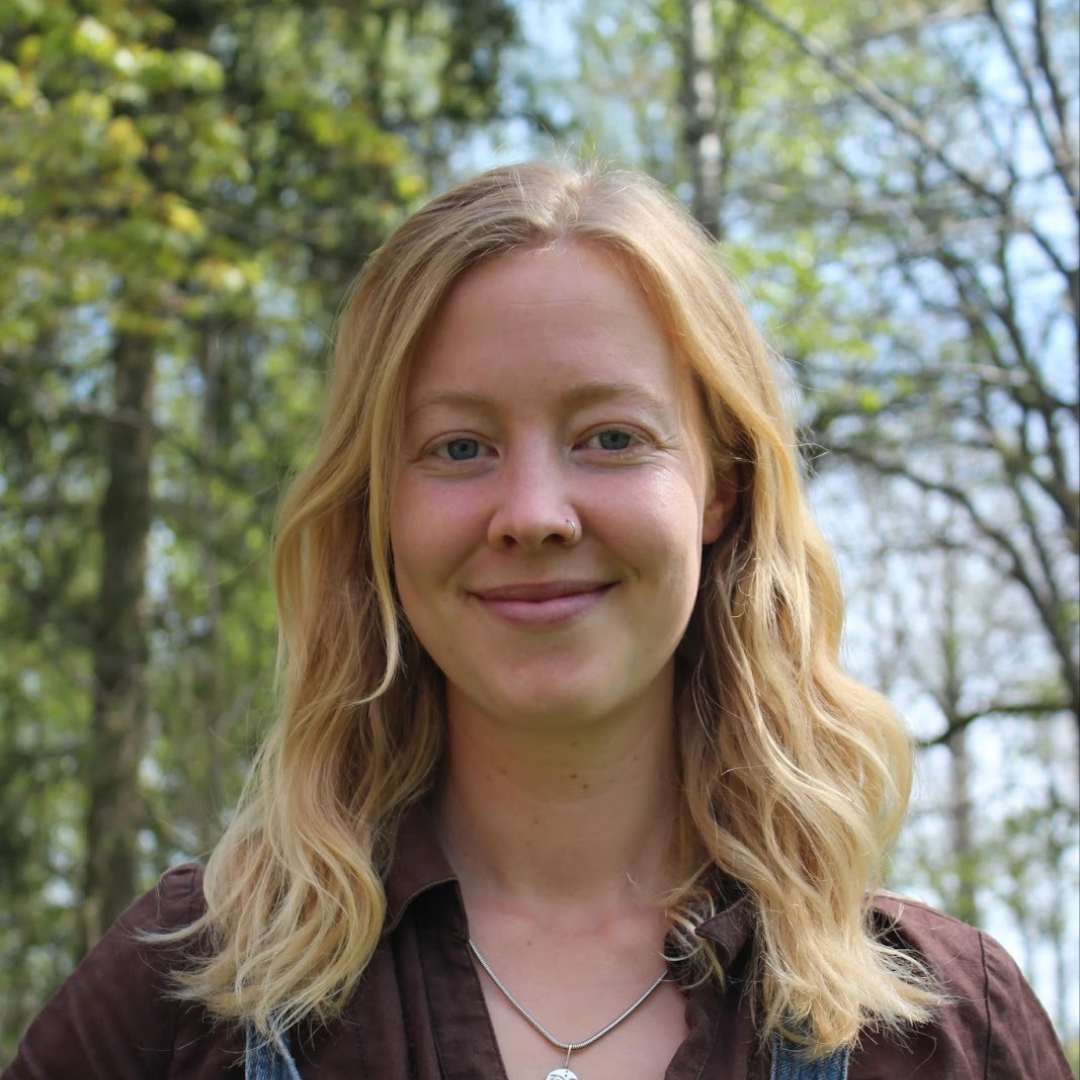
Separately, at the start of 2026 we were approached by Sarah, the 26 year old daughter of one of our long-standing members. Sarah (pictured) wanted to get involved with us as a donor conceived person (DCP) bringing her personal and academic experience as well as her interest in the subject of donor conception and family building. We were really excited when she got in touch as we’ve been wondering about how to get DCPs more involved in the Network. Our conversations culminated with us appointing Sarah as our new Donor Conceived Liaison Volunteer.
Those conversations made me reflect on the charity and how we include donor conceived people in our thinking and our work.
To be clear, most of our services and resources are aimed at prospective parents and parents. The charity was founded to support people in decision-making and being open with their children. But it’s fair to say that it was, at least in part, in the interests of donor conceived people that DC Network was committed to honesty and promoted the idea of openness in families. DC Network’s foundational view was that it was important information and children had a right to know the facts of their conception. It might seem obvious today, but 30 years ago that was fairly revolutionary.
We always describe ourselves as a family organisation and our strap line is ‘parent-led and child-focussed’. But what do those words actually mean? I think they recognise that children and donor conceived people are not isolated units. They sit within families and for the first 18 years of their lives it’s parents who lead – creating, holding and directing the environment they are raised in. The overarching intention is for those parents to raise happy, healthy, well-adjusted children. So, although our work was with the parents, our eye was always on the children and the family as a whole.
For the first years, the charity focussed on developing resources and services for parents. As the charity grew and became more well-known, there was the chance to bring donor conceived adults into the conversation and DC Network grabbed that opportunity immediately. We’ve had DCPs speaking at our conferences since at least 2007 and we know how valuable hearing directly from donor conceived children and adults can be. In addition, donor conceived people wrote articles for the website and our magazine. We encouraged them to get involved in the wider conversation and brought them with us to speak at other events like the Fertility Show, HFEA meetings and media interviews. We wanted them to have a voice.
Our role was to represent them within the context of their families. But we also wanted DCPs to have their own representation as a separate group. We supported the Donor Conceived Register group when it first tried to set itself up as a group for all donor conceived people and have continued to support its evolution into Donor Conceived UK (DCUK) over recent years.
For the last two decades, we’ve tried our best to include the voices and experiences of donor conceived people in our work more and more because we recognise how important that representation is. The fertility world, and donor conception specifically, can be so focussed on creating a baby that occasionally the fact that the baby will grow into a person, with thoughts and needs and wishes of their own, can get missed.
It’s not all about hearing from people who are happy and settled. We also listen to those who are critical of the industry, how their rights are handled or are critical of how parents have managed things in the family. Sometimes, those messages are challenging and reflect complex scenarios. And sometimes the criticism is of DC Network and we take that on board too.
But we’ve always believed that listening carefully and respectfully to donor conceived people is essential to everything we do. Hearing their wide variety of personal experiences brings depth, honesty and perspective to conversations that might otherwise be shaped only by parents, professionals or policymakers. We’re excited to have Sarah in this new role, helping us to approach the next stage in our development.
And if you’re a donor conceived adult who would like to get more involved, do sign up to our Mailing List below.
Nina Barnsley
1st April 2026
Related articles
Rebecca Coxon’s Guardian article
https://www.theguardian.com/lifeandstyle/2026/feb/28/how-dna-test-changed-my-life-ivf-family